
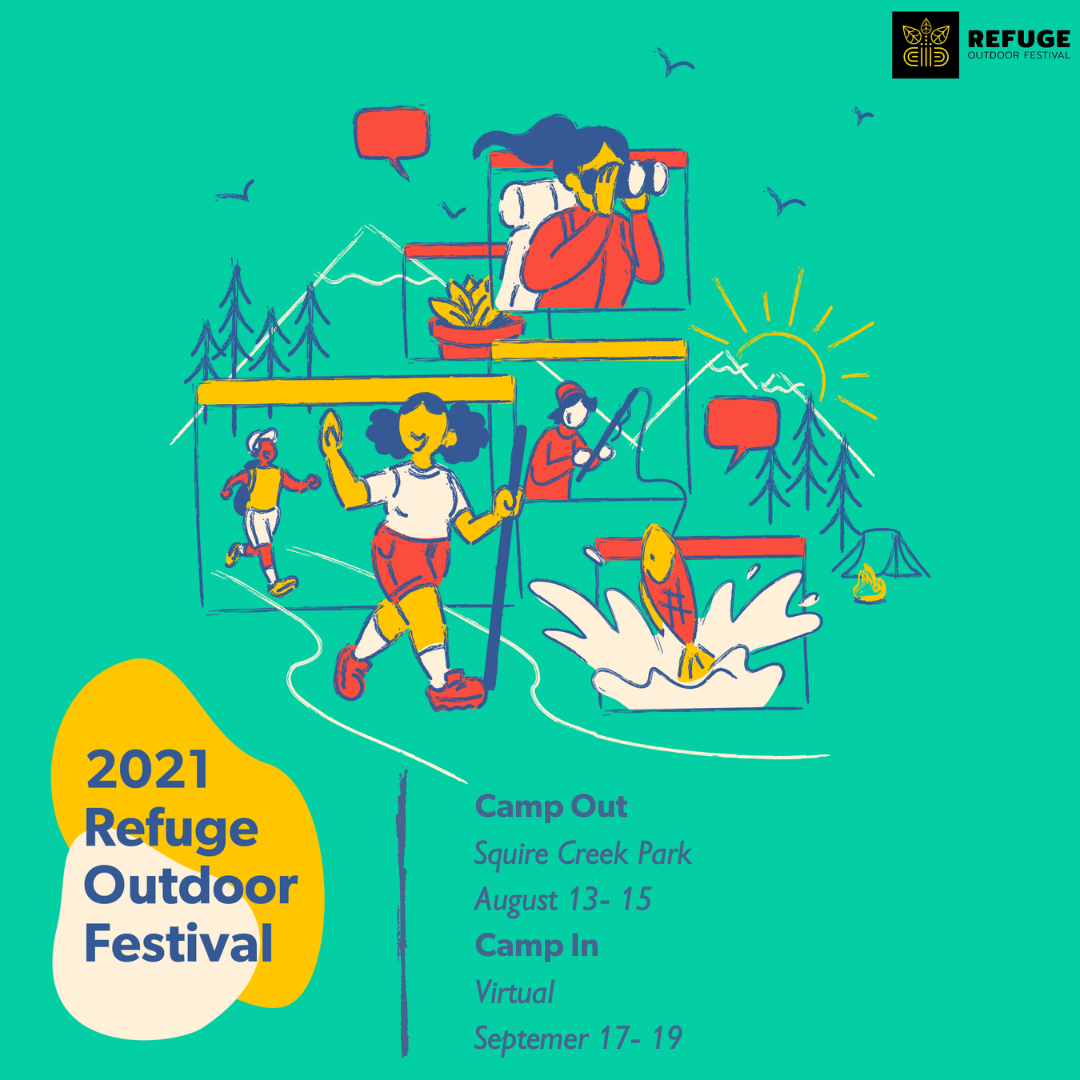
Q&A with Refuge Outdoor Festival Founder Chevon Powell – Mountains To Sound Greenway Trust

In August 2021, despite a heatwave and wildfire smoke, around 100 BIPOC (Black, Indigenous, People of Color) campers of all ages came out to spend a long weekend at Refuge Outdoor Festival at Squire Creek Park near Darrington. Participants  took workshops, participated in a silent disco, attended a partners market, and most importantly, had the opportunity to build community and connect in person.

Refuge Outdoor Festival is a three-day camping experience that is geared for BIPOC and centered around “building community through outdoor recreation, conversations, music, and art.” Chevon Powell, the founder of Golden Bricks Events, the company behind Refuge Outdoor Festival, started Refuge four years ago out of a desire to see more people of color outside recreating and creating community.

In the last year and a half, Chevon has pivoted and redesigned her programming from a very in-person focused event to a virtual one, calling it a “camp-in.” With some COVID restrictions changing in Washington, the most recent Refuge Festival was held in-person for the first time since 2019.

We recently had a chance to connect with Chevon after a whirlwind of a year. Read our conversation below to learn more about the upcoming virtual event for Refuge, what the future looks like for the festival, and more!

What was your favorite part about the most recent Refuge Fest?

We had someone named Pablo just show up at our table and they came over and said, “hey, can I help y’all?” and we said sure! Pablo took over, they became the raffle MC and were truly the best raffle caller. At our closing circle their word was “happy.” To have a young kid in the woods just out their doing their thing, it brought a lot of joy. Pablo was doing the most out there.

What can people expect at the upcoming virtual Refuge event September 17-19? Highlights?

This one is going to be really cool. I think you know just the way the world is working now, that advocacy has become a hot topic in the community. And making sure that when we talk about outdoor recreation we are also talking about advocacy. We have workshops on how to build a digital toolkit around advocacy, another workshop around social justice resourcing. And we also have a workshop with someone talking about low tides that we went out and filmed at Alki a few weeks ago. We have an artist out of Philly who will be performing on Saturday and they’re dropping the videos for their EPs via Refuge. So that’s really cool.

And the DJ battle is so much fun! It’s fun to bounce between rooms and hang out with different folks. That’ll be a lot of fun.

I assume that you’re not leading all of these, right?

Oh no, definitely not! The beautiful thing is that we did a call to the community and between our sponsors and partners I think we have about 15 [really cool] workshops plus over the weekend. We’ll be behind the scenes making sure that the community is safe—safety is a big thing. I’ll get to watch the recordings afterwards, everything we recorded I went back last year and watched again.

And you’re expecting people from across the country, right?

Yes! Last year we had folks from across about 20 states which was just the most bizarre and random thing—everywhere from Wyoming to Kentucky. Last year I crashed the Black affinity space and there were three Black women from North Carolina talking about linking up afterward. They were saying, “you go hiking? I want to go hiking with you! We’re only two hours away from each other, let’s make it happen.” So I’ll probably crash things like that.

You have a goal of getting 10,000 people of color outside. How has that been going?

We kind of paused it with COVID, and we’re trying to reassess and figure out how to get a better count especially since we aren’t always there with people. With people engaging with us last year and the previous years we are at over 3,000 POC. We’re excited that our outreach continues to grow and that’s also the struggle [as a small organization].

Just the presence of Refuge has inspired people to get outside. Last year, right before we were heading into lockdown, I was in a pitch competition for a local organization called InnoVentures. After I gave my pitch, the MC who was also in the room, she said, “Chevon you don’t know me but I know you.” She went into saying how for the last few years she’s followed Refuge and she started crying and said it’s inspired her to get outside with her kids, she said hasn’t been able to make it to our events, but just seeing that we’re around and the way that we speak about the outdoors is for everyone has been super inspiring and had touched her pretty deeply.

How can other organizations assist Refuge?

We are always looking for partner organizations. We are starting to consider what it looks like to partner with organizations to do smaller one-offs for communities and a really targeted experience. We’re looking at that for next year and continuing to build our relationships and partnerships so that our reach does get to all people so that we can get them outside.

Not everyone is afforded the luxury to get outside, but are we creating opportunities for them to be able to connect with nature? That’s going to be our thing moving forward and that’s why this year alone we had thirty video projects. Even though we couldn’t get outside together or get outside with the folks we’ve touched across the country, we can create content and we can have you experience the outdoors from your living room.

Do you need volunteers? If people can’t volunteer their time, can they volunteer their money?

Yes, our donation link is always live! And we do have an open call for volunteers ongoing. Because yes, we have the virtual programming that we need support for, but then we are also growing as an organization. Like sometimes I don’t have the monetary resources to for example, redo the website, but if someone wants to volunteer to support that happening, that’s great.

For virtual, we are looking for about ten more volunteers and that’s just helping with chat. Having folks moderate the chat is a way to make our community feel safe.

Is there a future of Refuge outside of Washington?

Yeah that’s something that’s really exciting! Last year we were thinking we were going to expand in 2020, but 2020 told us all different things. We are looking to stay with our current program into 2022. In 2023 we’re hoping to expand Refuge to places like California and the east coast. I always looked at it as a more in your backyard event, because Refuge’s biggest thing is making the community and building the connections and yes you can do that by flying to another place and meeting folks, but how much more impactful if it was like people who live 15 minutes or two hours from each other. It’ll be a much broader impact when it’s like that.

We have had people run into each other. In fact, one woman from Seattle ran into someone she met at Refuge in a coffee shop in Oakland! That’s dope.

How do you approach creating partnerships and relationships?

It takes a lot of work. One of the things that we’re considering when we’re looking at [Refuge] is how are we better in community? And how are we connected in those communities? Refuge in Seattle is the flagship and has a community advisory board, from people all over the country.

In other cities I have started having conversations with folks about building community advisory boards there because we want to be connected to the community and I can’t do that because I am not there. And I don’t have the capacity to build the level of community that I think Refuge needs in each community and I don’t want to, it’s important that each city has that. I can’t lead in a community that isn’t mine. I’ve found that as you’re in community you’re always learning and growing and moving in different ways because if you’re staying still you’re not doing it in community, you’re just doing a thing.

As you’ve wrapped the fourth Refuge Festival what are some lessons you’ve learned?

One of the lessons is being present. Being present in the community and they’ll tell you what they want and how they want it. I also think active listening is a big one and then learning publicly. We’ve had to learn publicly and had to apologize publicly for things that we’ve done wrong—that’s a huge lesson for me. This is a big shocker, but I am very much an introvert and when I started Refuge I wouldn’t even tell people why I was starting it, like my own individual story. I wouldn’t talk to people in public, that terrified me. I would be in the corner, even if I was with a bunch of people.

I’ve had to step into my own power more than I ever thought. When I was first called on stage at an event at REI I was in tears because I was having a panic attack. To go from that to where I am today like, “yeah, I’ll keynote, let’s do this!” is big.

It’s the big life lessons to take those steps to do it and knowing why you’re doing it. I do it for the community and I do it for the change that I want to see. It’s not all just about outdoor recreation and conservation, we’re all on this planet together so let’s come together and get it together. That’s why I do the work that I do.

Interested in learning more about Refuge or attending the upcoming virtual event? You can learn more on their site. 

Read more

Reclaiming Joy in Unprecedented Times

By producing events that truly welcome everyone, Chevon Powell combines her love of nature and event planning to bring people together and create a powerful community.

by Crystal Gartner

On her way to her first solo backpacking trip in Vermont, Chevon Powell was confronted by a white police officer who questioned why she was in the area. He said her story of going backpacking was unbelievable and then called for backup. Chevon was finally released and she did take her backpacking trip. But that harrowing incident stuck with her and it was part of her motivation to shift the mission of her company, Golden Bricks Events, toward making the outdoors safer for people of color. By producing events that truly welcome everyone, Chevon combines her love of nature and event planning to bring people together and create a powerful community.

44315020904_82e1220964_c courtesy of GBE.jpg
Chevon (left) wearing a Refuge shirt. Photo courtesy Golden Bricks Events.

Washington State Parks took notice of Chevon’s almost two decades of event planning experience and asked her to create a concert last year and again for this summer. Then the COVID-19 pandemic hit and a nationwide reckoning over systemic racism and police violence followed. Chevon pivoted once again and turned the concert idea, Sundae Sermon: A Celebration of Black Folks, into an online event with six installments. Each “sermon” features a different state park as the backdrop for musical performances and outdoor tips, and showcases local art, businesses and community leaders. 

Chevon has already presented four successful Sundae Sermons, and folks still have a chance to catch the next two which celebrate themes of activism and food. On Sept. 20, join in to hear emcee Mikayla Weary, who helped organize the Black Lives Matter march and rally in Shoreline. There will be a roundtable of youth talking about activism, singer/songwriter Elisha who will be doing a musical performance, and a conversation with mental health professional Jennifer Elve.

The final Sundae Sermon on Oct. 4, emceed by Marlon Brown, will have poet Kamari Bright demonstrating how to cook hot water cornbread, a dish from the South with a history around enslaved people in this country. 

“We’ll also have an artist doing a live piece while the show is going on. There’s such a wide breadth of Black experiences here in the Northwest and Black folks doing amazing, different things,” Chevon said. 

Highlights from past Sundae Sermons include a virtual walk through Federation Forest with GirlTrek offering trail tips, and a live streamed performance from pianist Joe Williams, who shared about the history of Black women in classical music. 

Anhayla 2018 courtesy of GBE.jpeg
A live performance at one of Chevon’s past events. Photo courtesy Golden Bricks Events.

“Nature is the center of everything that I do,” Chevon said. “Success is when Black folks feel comfortable getting outside, you know that people that look like you have been outside, have been doing really cool stuff right here in Washington state, and that we can have fun and recreate responsibly, because we’re still in a pandemic. You get to come [to Sundae Sermon] and learn about new things and the people doing them, regardless of who you are.”

Another Golden Bricks event, Refuge Outdoor Festival, an annual multi-day camping experience geared toward people of color, has converted its usual outdoor setting to the virtual realm as well. This year, everyone is invited to gather online with this amazing community, Sept. 18-20, for a weekend full of entertainment, activities and workshops including herbs for self-care, exploring the Arctic National Wildlife Refuge, backpacking basics, a DJ battle and other fun activities. 

“The outdoors hasn’t always been that welcoming for people of color, for Black folks,” Chevon said. “We know the national parks used to be segregated. We know that there are trees that hung people that are still in prominent American parks. I’m trying to make events that are a safe space for us so if you don’t have any other opportunity to be safe outdoors you can be safer in this moment.”   

 “For me there was this urgency to make sure that this still happened. There are folks that just need a weekend reprieve from the stuff that happens in everyday regular society, which is what I always hope Refuge is.”


As an event sponsor, WTA hopes you’ll join us in attending or supporting Sundae Sermon and Refuge. Here’s how you can help:

  • Share the word that Sundae Sermon and Refuge are happening.
  • Donate to Golden Bricks Events and the payment speakers will receive for their emotional labor. 
  • Donate directly to any of the nonprofits brought forward by the event’s emcees, including

Read more

Environmental voices of 2021: Where are they now?

Environmental voices of 2021: Where are they now?

Amber Reimondo_ActivistAmber Reimondo is the Energy Program Director at the Grand Canyon Trust in Flagstaff, Arizona. Follow her on InstagramTwitter and Facebook.

“With the hard work of tribes, partner NGOs, and community members, permanent protection for the Grand Canyon region from uranium mining has made more progress than ever before. This year has been a reminder that nothing important comes easily, but together, with persistence and patience, we can make important progress.”

Read more

Broadening perspectives on the outdoors

Broadening perspectives on the outdoors

Conservation Northwest / Oct 04, 2018 / Events

Restorative and centering. Challenging and rewarding. Healing and peaceful. Human experience and self-discovery.

By Heather Hutchison, Membership and events associate

These were words and feelings shared last weekend during some reflection on outdoor experiences. Conservation Northwest was fortunate to be a sponsor of the first-ever Refuge Outdoor Festival in Carnation, Washington, geared towards people of color (POC) and allies. Along with our staffer Laurel Baum, I had the opportunity to participate as myself and as a representative of Conservation Northwest.

Conservation Northwest asked attendees of the festival why conservation was important to them. Photo: Heather Hutchison

While the Festival was complete with art, music, sleeping bags and tents, it was also a safe space for important conversations about what it means to be a person of color in the outdoors, and a sincere reflection on what barriers prevent POC from getting outside. It was an emotional journey for many, a long-awaited respite for some and an enlightening experience for others.

Acknowledging Conservation Northwest’s historically white composition, it was my goal to share with the Festival attendees—who included POC as well as white allies—our organization’s efforts to be more diverse and inclusive.

Over the weekend, Conservation Northwest was there to listen and learn. Unsurprisingly, everyone we spoke with had some form of connection to the outdoors and to the environment, accompanied by a desire to protect and conserve our planet.

“I think it was really great to be able to support an event lead and organized by people of color, focused on their experiences in the outdoors,” said Laurel Baum, our Central Cascades Conservation Associate and Citizen Wildlife Monitoring Project Coordinator. “We have a lot of work to do in the conservation movement to make all communities feel welcomed and that their voices are being heard as part of the discussion in the broader environmental movement.”

Conservation Northwest asked attendees of the Festival how their experience outdoors has been. Photo: Heather Hutchison

Barriers to accessing and enjoying the outdoors are much higher for POC, whether they be the high cost of gear, limited transportation options, lack of people to do it with or a historical fear and trauma of outdoor spaces.

Here are my biggest takeaways from participation in Refuge Outdoor Festival:

  • Be explicit.

    POC are used to being systematically and implicitly excluded, so be explicit in your efforts to be inclusive.

  • Treat people with dignity.

    Make the effort to understand peoples’ obstacles, fears and traumas. You may not share the same sentiments, but that does not diminish a person’s experience, their dignity or their right to be outside.

  • It’s not about intent, it’s about impact.

    Even if you don’t intend to treat POC differently in the outdoors, that doesn’t mean you aren’t negatively impacting their experience. Do what you can to improve other peoples’ time spent outside by listening.

Attendees at the Festival pose alongside our grizzly bear cutout. Photo: Heather Hutchison

For Conservation Northwest, Refuge Outdoor Festival was a reflection on the breadth of perspective people have on the outdoors. It was also a reminder that people of all backgrounds and orientations share the spaces where we recreate, enjoy the outdoors, and promote the conservation of wildlands and wildlife—we all deserve healthy landscapes. We are looking forward to continuing our efforts to learn and grow as an organization.

“On Friday night, a group called the Seven Generations Intertribal Culture Family sang songs and gave a performance where they welcomed participants from the audience to join them sharing the experience of their songs,” said Baum.  “I feel this is reflective of how we need be welcoming, more inclusive and listen to a broad spectrum of people’s experiences in outdoors and our conservation work, especially here in the Pacific Northwest.”

The work Conservation Northwest does to protect, connect and restore wildlands and wildlife benefits not only traditional conservationists, outdoor recreationists and wildlife enthusiasts, but also lends to the human experiences of healing and self-discovery that everyone seeks when they get outside.

We recognize that for long-term progress, conservation must go hand-in-hand with healthy communities. Learn more about our staff, about us, or our work

Read more

Uncomfortable yet? Good.

Two weekends ago, I found myself in the middle of a park on a sunny Saturday in Washington state sitting in a circle of people discussing “stretching our edges on race and privilege.”

That was the title of the session, which was running as part of the inaugural Refuge Outdoor Festival. While the weekend was geared towards people of colour with the aim of building community through “outdoor recreation, conversations, music, and art that appeal to a diverse and inclusive audience,” I sat there as a white, privileged reporter taking it all in.

I won’t get into the details of the festival—I was there talking to attendees, facilitators and organizers for a forthcoming feature story—but there was one moment that seems to be worth highlighting.

Including myself, there were maybe three white people out of 15 in this morning session. Before the conversation got started, the facilitator—an energetic and articulate woman originally from Hawaii—asked us to do something that we are so rarely asked to do: name our privilege.

I certainly have many as a white woman born and raised in wealthy Alberta, with an Ivy League education and a career in which I’m entrusted with telling people’s stories.

A funny thing happened as I thought about this fact and listened to the stories around me—I noticed I had physically tried to shrink myself, to take up less space in this place in which I didn’t really belong.

Unconsciously, my legs were crossed, my arms folded into a pretzel and pressed tightly against my body, my shoulders hunched towards my chest.

“Do you feel uncomfortable?” the facilitator asked after the naming-of-privileges had ended. “That’s OK because that’s how we feel all the damn time.”

It’s hard to get people from one demographic to try to understand the experiences of people from another demographic, but that moment drove home an important point to me.

If we are ever going to create a truly equal world, the people who have historically been comfortable in it need to learn to be OK with giving up some of that comfort to make way for, and try to understand, the struggles of others.

This is at the crux of so many issues our society is currently grappling with. Many people are being made to feel uncomfortable for the first time—and frankly, they do not seem to like it.

In the wake of the Brett Kavanaugh U.S. Senate hearings, last week President Donald Trump told a group at a campaign rally in Mississippi, that it “is a scary time for young men in America when you can be guilty of something that you may not be guilty of.”

Setting aside the false assumptions behind that statement, at its core the president was saying what many men seem to be saying in the #metoo moment. They’re afraid that somehow they will become entwined in the flurry of neverending sexual assault allegations even though they’ve never committed sexual assault.

To that I say, calm down, boys. According to research from Stanford University, only around two per cent of rape and sex-related offences are determined to be false, which is on par with other crimes.

The real issue is these men (not all, of course) are pissed off that they’re being made to feel uncomfortable. They can no longer catcall or grind up on a stranger at the bar—actions that until recently have been dismissed as “boys being boys”—without a little voice in their head saying, “I might get in trouble for this.”

Women who might have let that crap slide in the past are feeling empowered to call out those actions because they’re finally being taken seriously.

While I might have named and considered my privilege at the Refuge Festival, because of that privilege, I haven’t given much thought to the way my gender has impacted how I move through the world—until a recent meme made the rounds on social media.

I can’t verify the legitimacy of its origin story—that a professor asked male and female students what they do to prevent being sexually assaulted—but whether the back story is true or not, the resulting list hit me hard.

The men, it showed, said, “nothing. I don’t think about.” While the women rattled off a long list ranging from “hold my keys as a potential weapon” to “park in well-lit areas.”

They were all actions I’ve taken or have been told to take to prevent becoming a victim—only it had never occurred to me that half the population has never had to confront this.

Our society is currently in flux. We are confronting myriad issues we haven’t had to think about before. We’re being forced to consider our privilege, think about others and change the way we act.

Do you feel uncomfortable? Good.

Read more

She Explores Episode 82: Nature Up Close – Science Illustrator Kristin Link

Episode 82: Nature Up Close

Interview with Science Illustrator Kristin Link

Banner image art and photo by Kristin Link

Sponsored by Victorious, OtterboxuBiome, and RxBar

Join us in our She Explores Podcast Facebook Group->

Kristin Link is a science illustrator and an artist living off the grid in McCarthy, Alaska. She shares about her life there, why she loves helping people see the natural world up close through science illustration, and her tips for applying to artist-in-residencies at national parks.

Find the episode below, on Apple Podcasts, Stitcher, GooglePlay, or wherever you stream podcasts.

Featuring: Kristin Link, with a special intro segment featuring Chevon Powell, founder of Refuge Outdoor Festival.

Hosted by Gale Straub 

Subscribe to She Explores podcast via Apple Podcasts, Stitcher, Spotify, and Google Play.

Music is by Jason Shaw, Lee Rosevere, Doctor Turtle, Steve Combs and Kai Engel via freemusicarchive.org.

In this episode, you’ll hear:

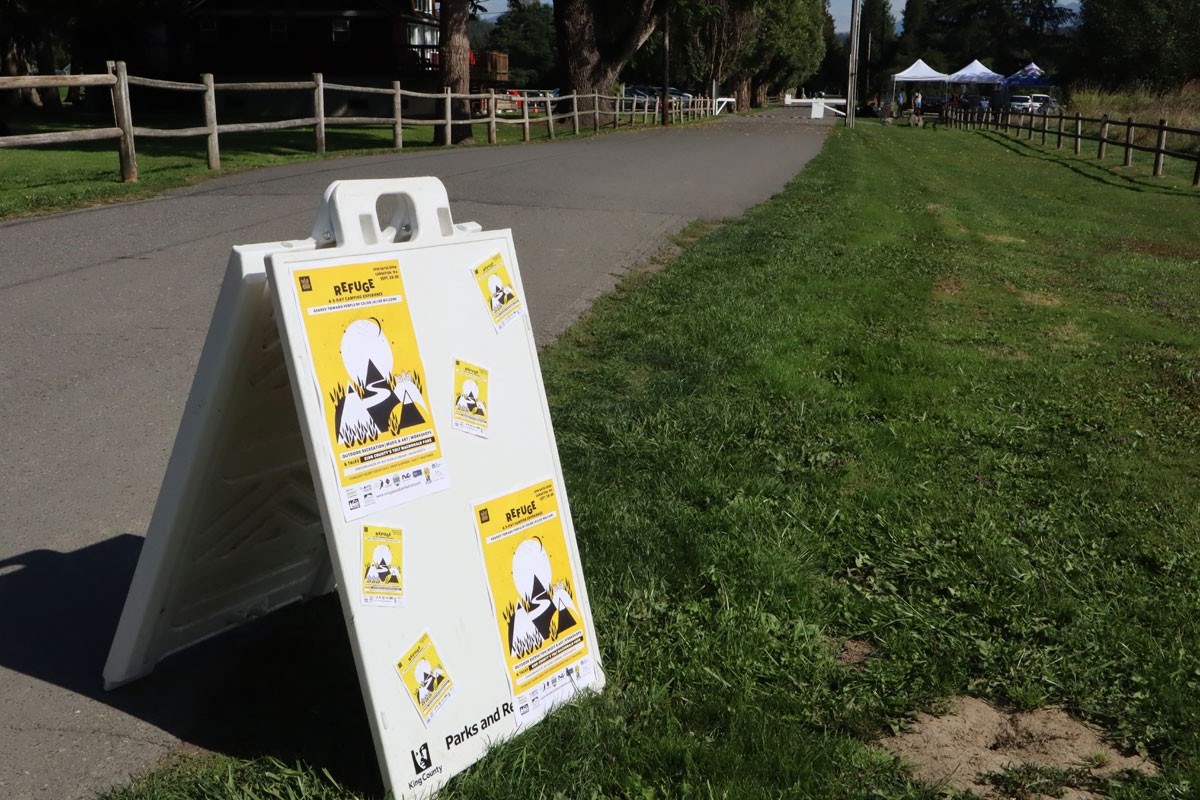
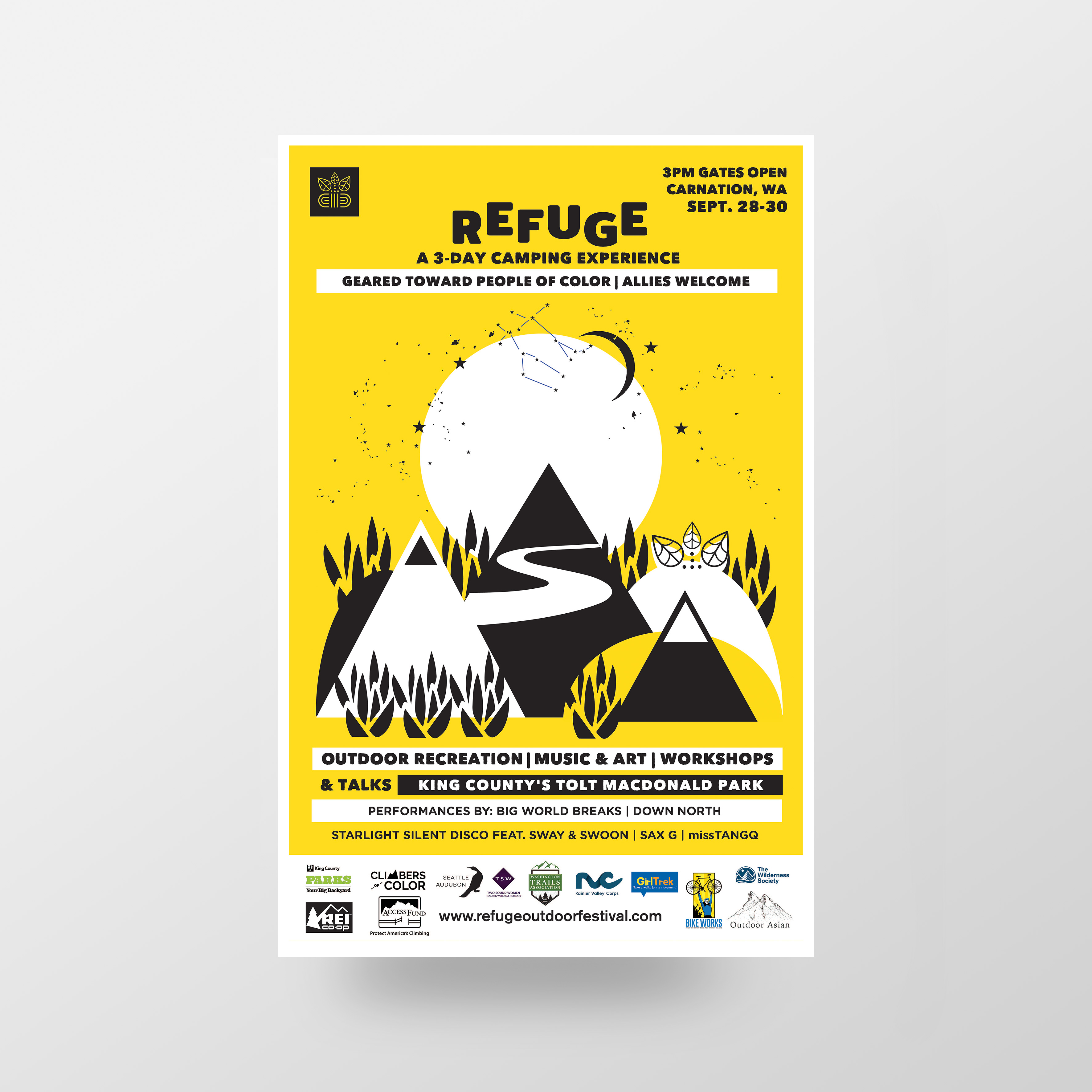
– Chevon Powell share her vision for the Refuge Outdoor Festival coming to Tolt-MacDonald Park September 28 – 30, 2018
– About Kristin’s life off the grid near McCarthy, Alaska
– What brought Kristin to Alaska and how it lead her to a career in science illustration
– What science illustration is and the different ways you can pursue it as a career
– Why Kristin focuses on the environmental aspects of science illustration
– About artist-in-residencies programs through the National Park Service
– What the application process is like for artist-in-residency programs
– The goal of Kristin’s work, whether it’s science illustration or fine art
– How it’s difficult to live sustainably, even when you’re living off the grid
– How Kristin’s relationship with the land and its history has evolved in her time living in Alaska
– Why science illustration will never go away as a profession and why she recommends it for others interested in art and the environment

Kristin and her work

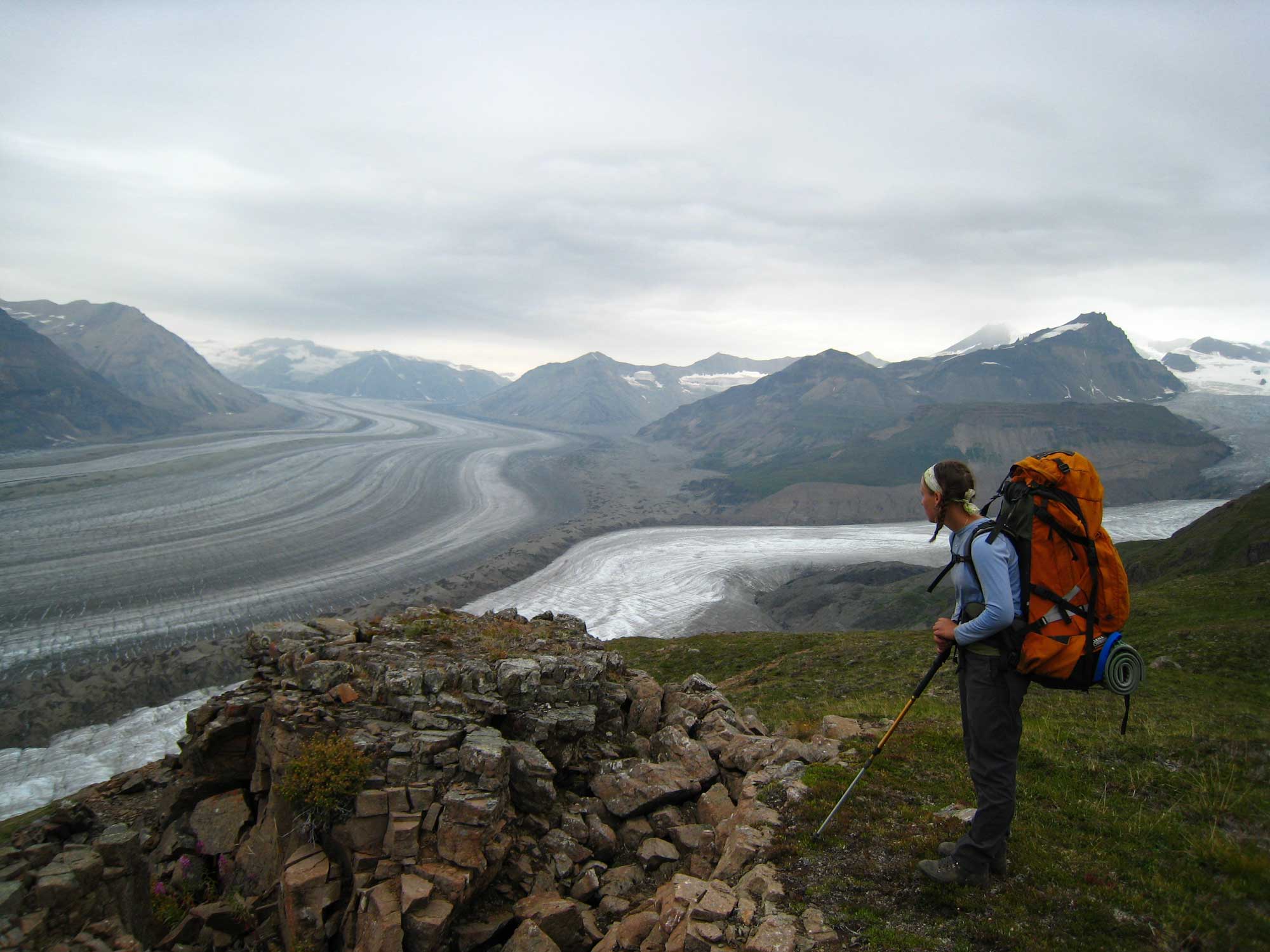
Kristin backpacking in the Wrangell St-Elias, Photo by Greg Runyan

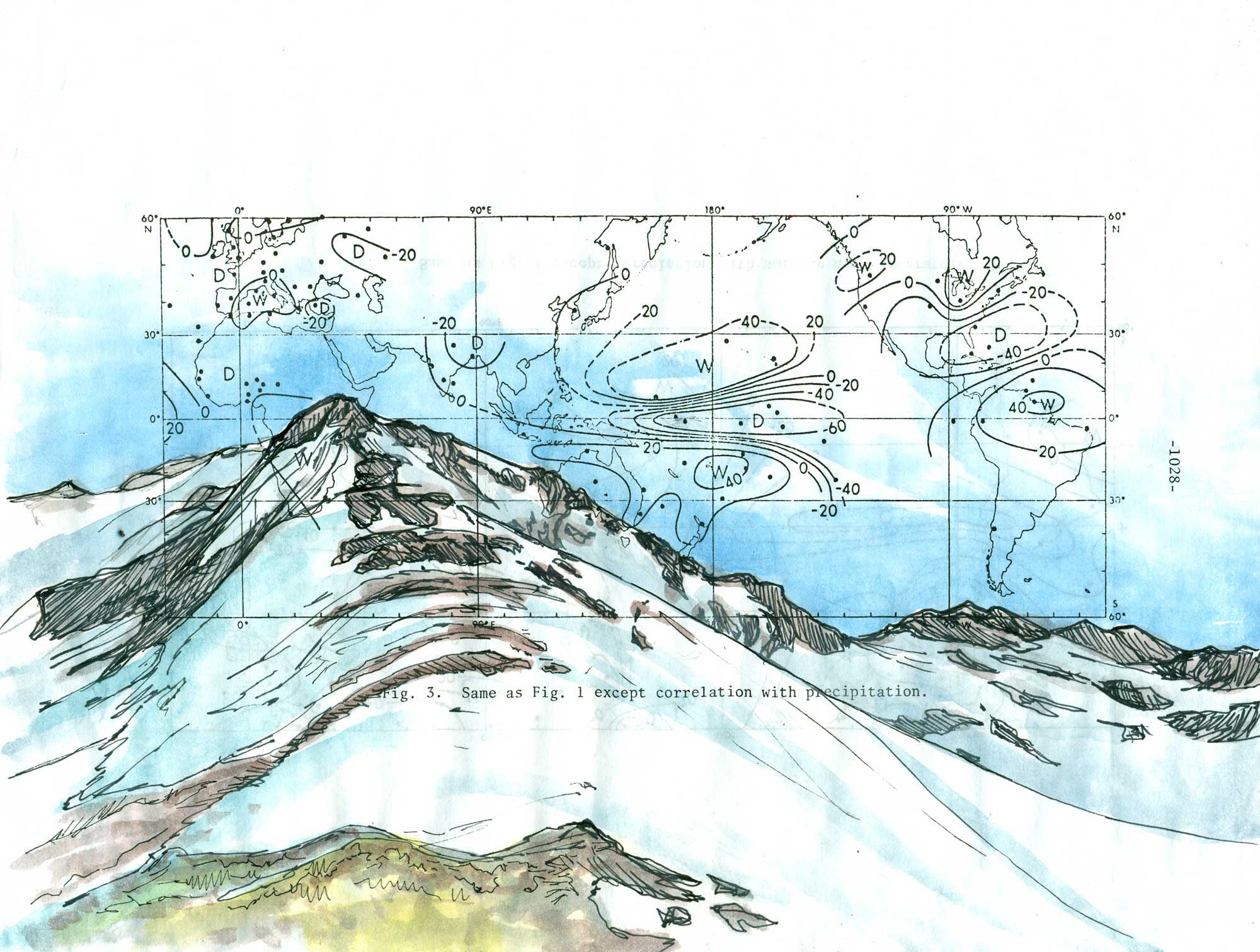
Watercolor and pen on a page from a scientific article about climate. From Kristin’s time as artist in residence and faculty with the Juneau Icefield Research Program

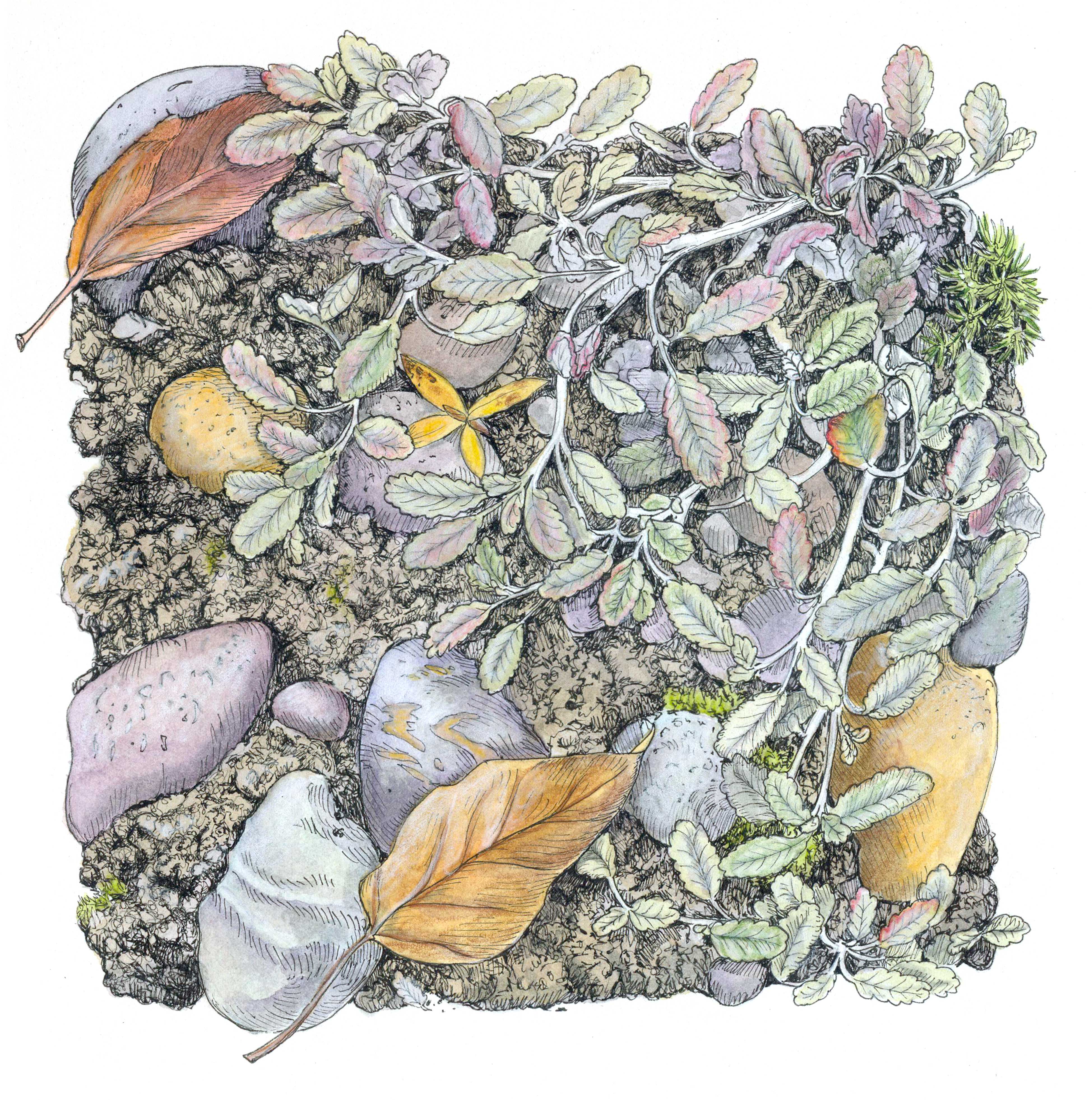
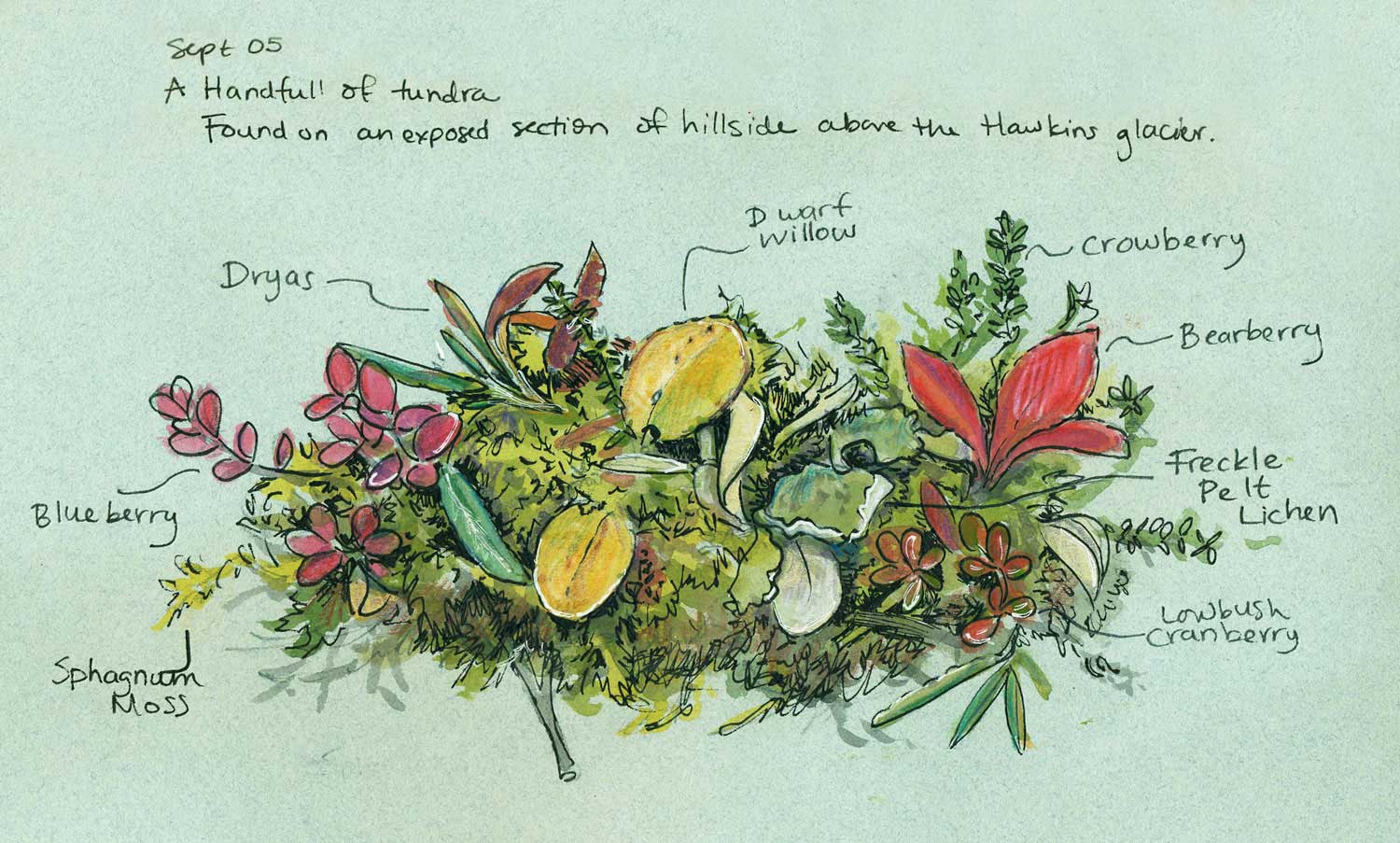
Watercolor and pen illustration of plants, cryptobiotic soil, and rocks on the Nizina River where she lives

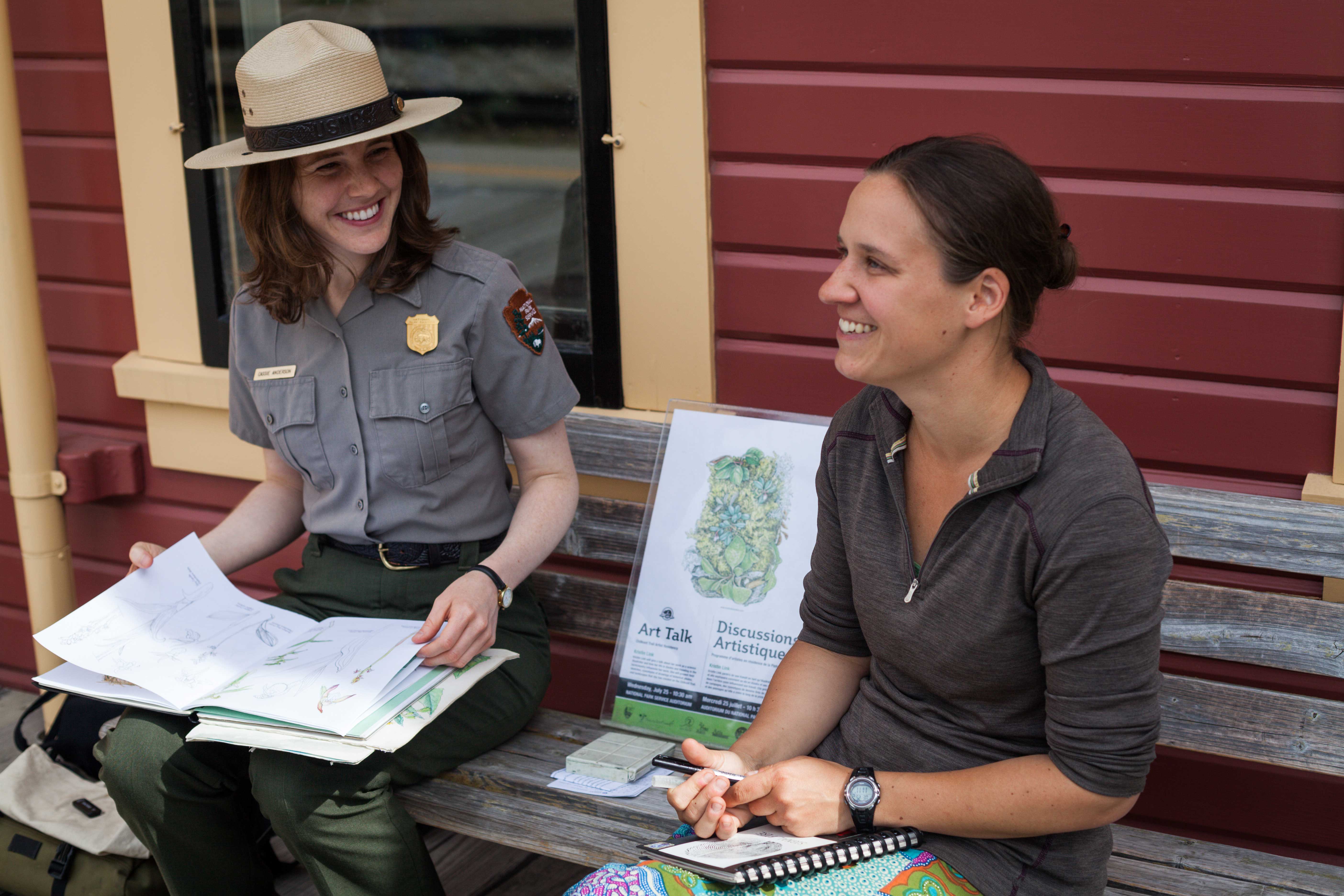
Talking about and sharing work from Kristin’s artist residency on the Chilkoot Trail in Skagway, Photo by NPS/R. Harrison.

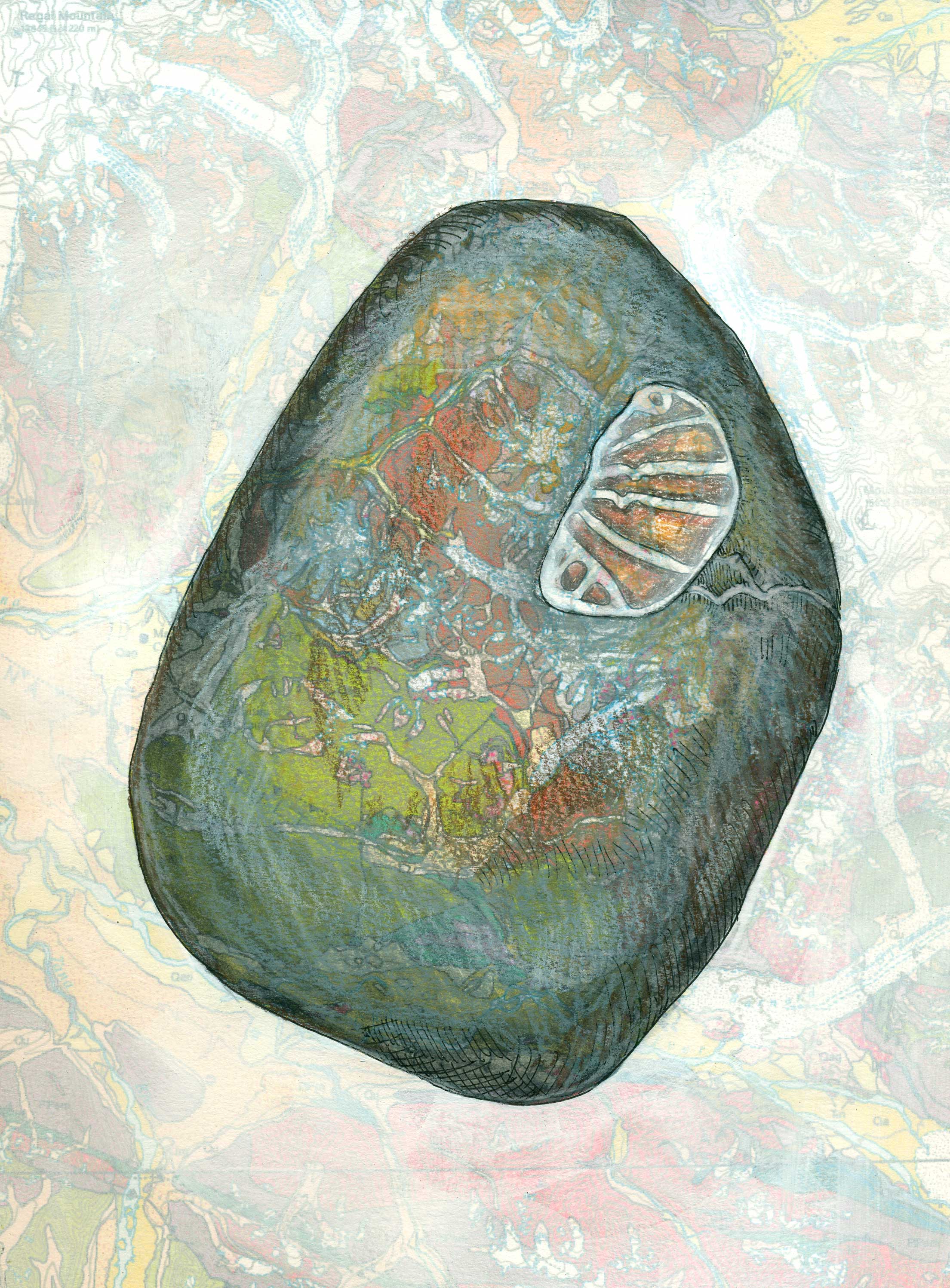
Mixed media artwork on a geologic map of the Wrangell-St. Elias where she lives.

Gouache and pen sketchbook page from the Wrangell-St. Elias

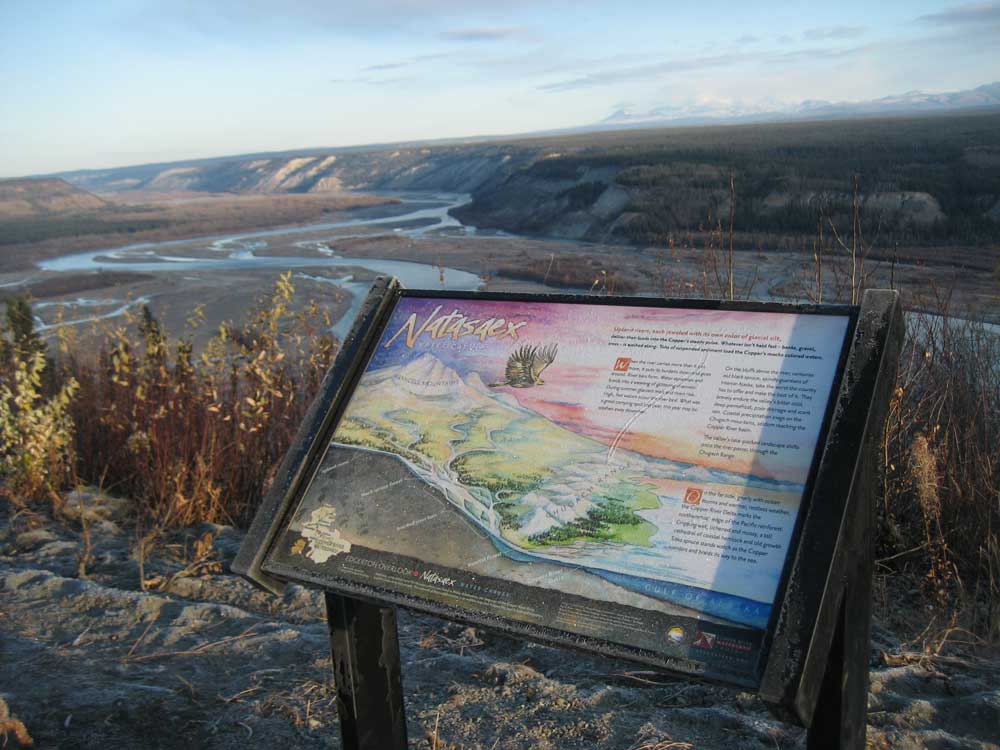
Interpretive sign Kristin illustrated for the Copper River Watershed Project. This is the project she was talking about with getting people to connect to the landscape and the bigger watershed while stepping out of their vehicle on the side of the road.

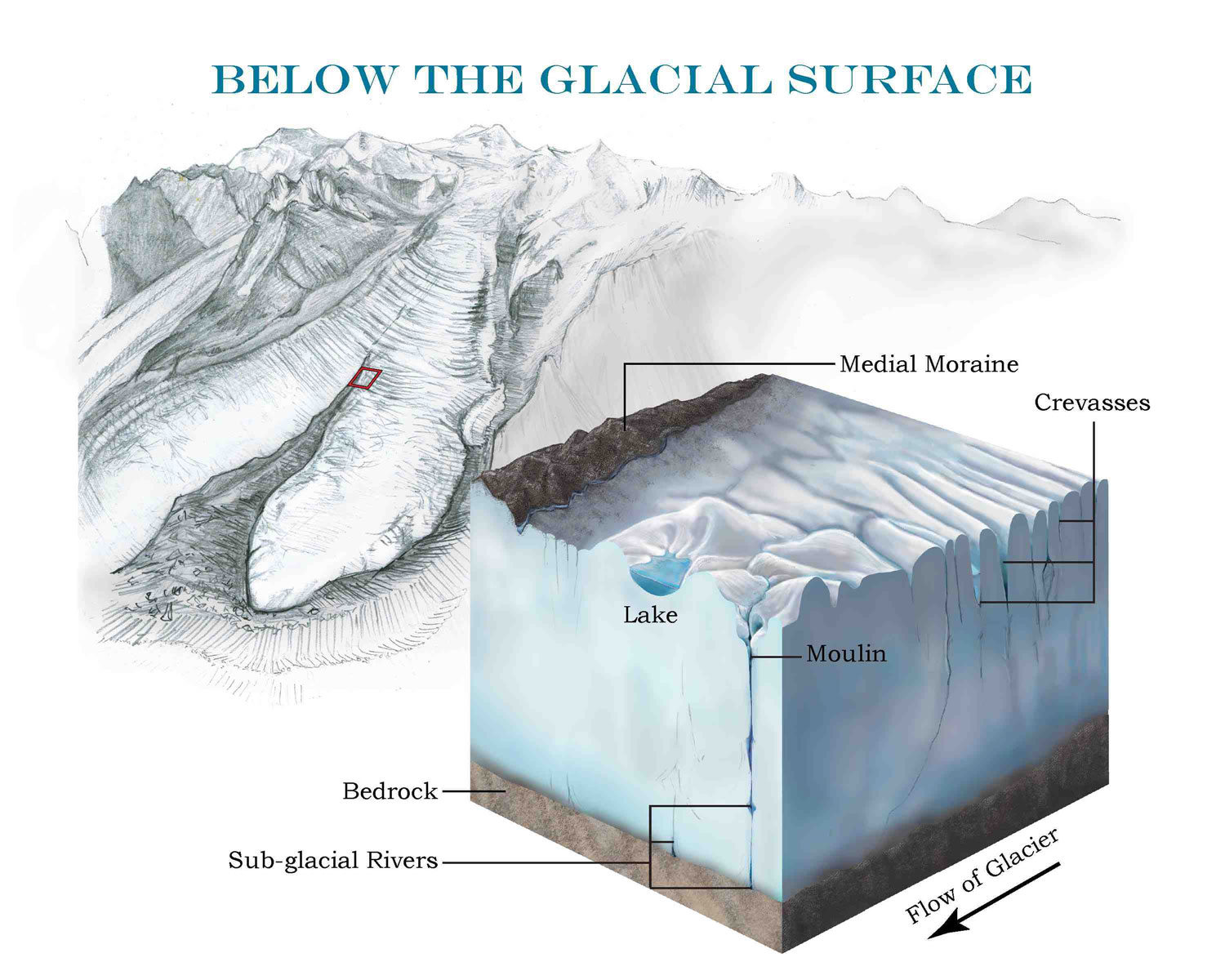
Another image exploring what is happening under the glacial surface. This one was inspired by spending a summer guiding and taking people for day hikes on the Root Glacier in the Wrangell-St. Elias. When Kristin went to school for science illustration she wanted to create an image to describe what was happening with the moulins, crevasses, and rivers that they observed on the surface of the ice.

Refuge Outdoor Festival

Links/Resources Mentioned in this Episode:

Artist-in-Residencies info from Kristin

Call For Entry is a website that lists calls for visual artists. There are several residencies in national parks that post there, including Gates of the Arctic

The Wrangell Mountains Center, the nonprofit where Kristin used to work, also has a residency application there and hosts a two-week residency in McCarthy and the Wrangell-St. Elias. Their application is also on CaFE.

Voices of the Wilderness is a collection of artist residencies on public lands and wilderness areas in Alaska. It is one application where people can apply to many opportunities. In 2017, Kristin did a residency in the Nellie Juan – College Fiord Wilderness Study Area with the Forest Service in Prince William Sound. There is no fee to apply which she appreciates.

The Chilkoot Trail Artist Residency has it’s own application hosted on the Yukon Arts Center’s website. Also no fee.

Some artist residencies are just listed on NPS websites or organizations that work with them, so it can be worth searching around. A surprising number of places have artist residencies, and it seems like there are more becoming available. Here is the Joshua Tree National Park one, which she did in 2016. 

Signal Fire is an organization that hosts artist residencies for groups of artists on public lands. They take out groups of people of all experience levels and are accessible to people who have never been camping or backpacking before. Kristin did a backpacking trip with them in the Chiricahua Mountains in 2017.

Sponsor Websites & Codes

Read more