Episode 82: Nature Up Close
Interview with Science Illustrator Kristin Link
Banner image art and photo by Kristin Link
Sponsored by Victorious, Otterbox, uBiome, and RxBar
Join us in our She Explores Podcast Facebook Group->

Kristin Link is a science illustrator and an artist living off the grid in McCarthy, Alaska. She shares about her life there, why she loves helping people see the natural world up close through science illustration, and her tips for applying to artist-in-residencies at national parks.
Find the episode below, on Apple Podcasts, Stitcher, GooglePlay, or wherever you stream podcasts.
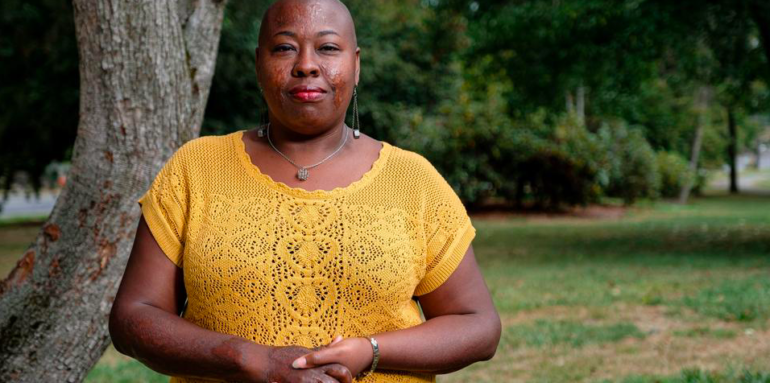
Featuring: Kristin Link, with a special intro segment featuring Chevon Powell, founder of Refuge Outdoor Festival.
Hosted by Gale Straub
Subscribe to She Explores podcast via Apple Podcasts, Stitcher, Spotify, and Google Play.
Music is by Jason Shaw, Lee Rosevere, Doctor Turtle, Steve Combs and Kai Engel via freemusicarchive.org.
In this episode, you’ll hear:
– Chevon Powell share her vision for the Refuge Outdoor Festival coming to Tolt-MacDonald Park September 28 – 30, 2018
– About Kristin’s life off the grid near McCarthy, Alaska
– What brought Kristin to Alaska and how it lead her to a career in science illustration
– What science illustration is and the different ways you can pursue it as a career
– Why Kristin focuses on the environmental aspects of science illustration
– About artist-in-residencies programs through the National Park Service
– What the application process is like for artist-in-residency programs
– The goal of Kristin’s work, whether it’s science illustration or fine art
– How it’s difficult to live sustainably, even when you’re living off the grid
– How Kristin’s relationship with the land and its history has evolved in her time living in Alaska
– Why science illustration will never go away as a profession and why she recommends it for others interested in art and the environment
Kristin and her work
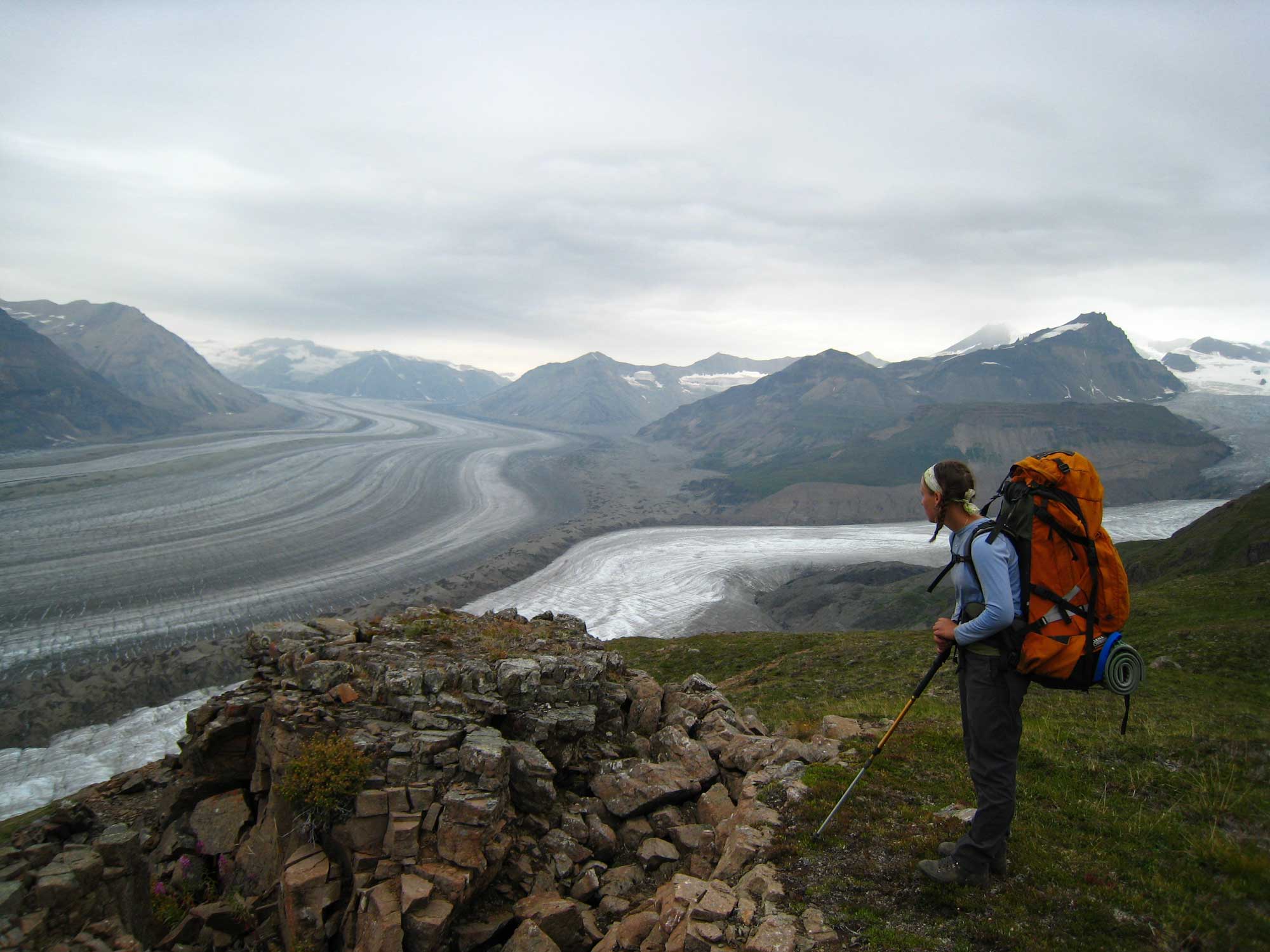
Kristin backpacking in the Wrangell St-Elias, Photo by Greg Runyan
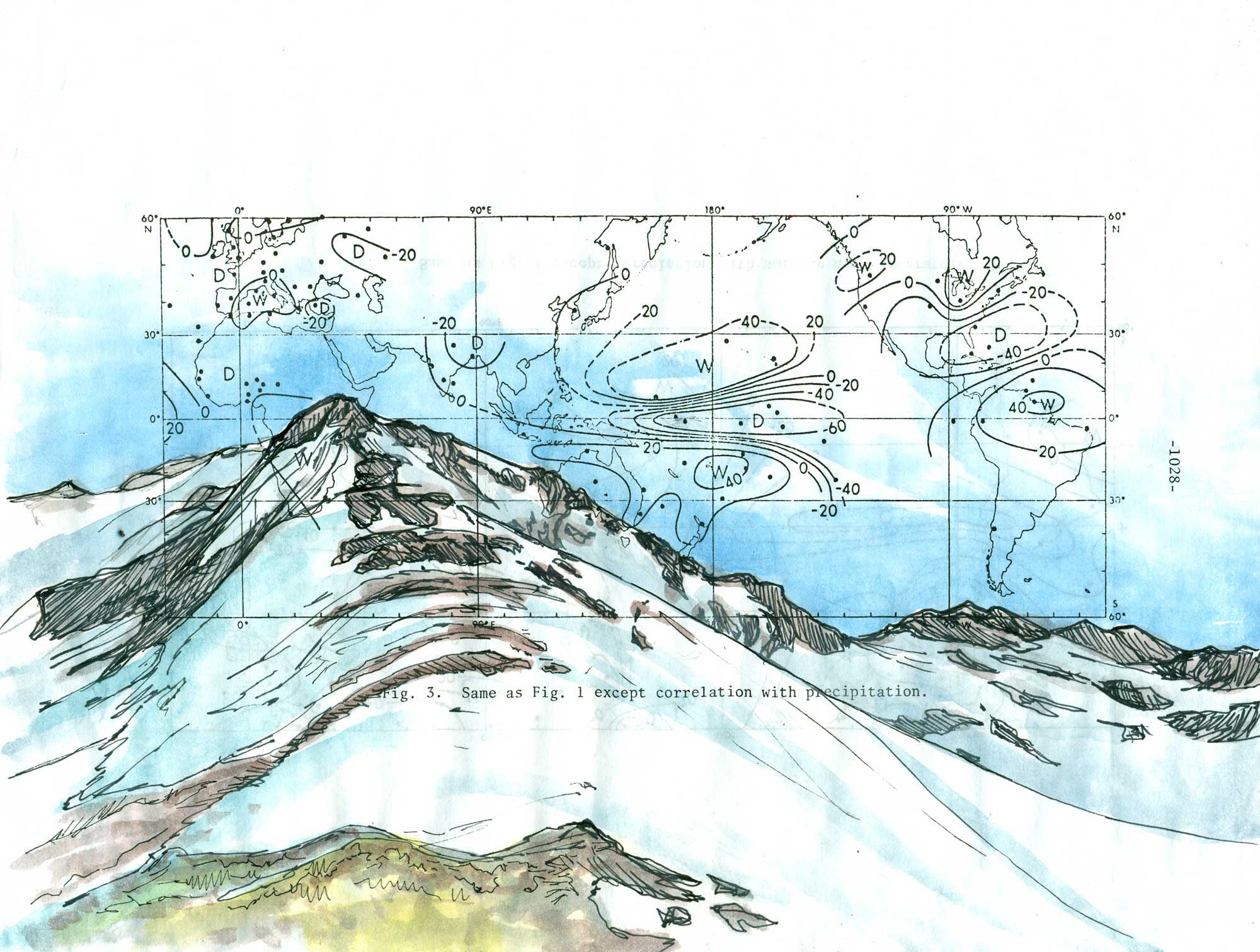
Watercolor and pen on a page from a scientific article about climate. From Kristin’s time as artist in residence and faculty with the Juneau Icefield Research Program
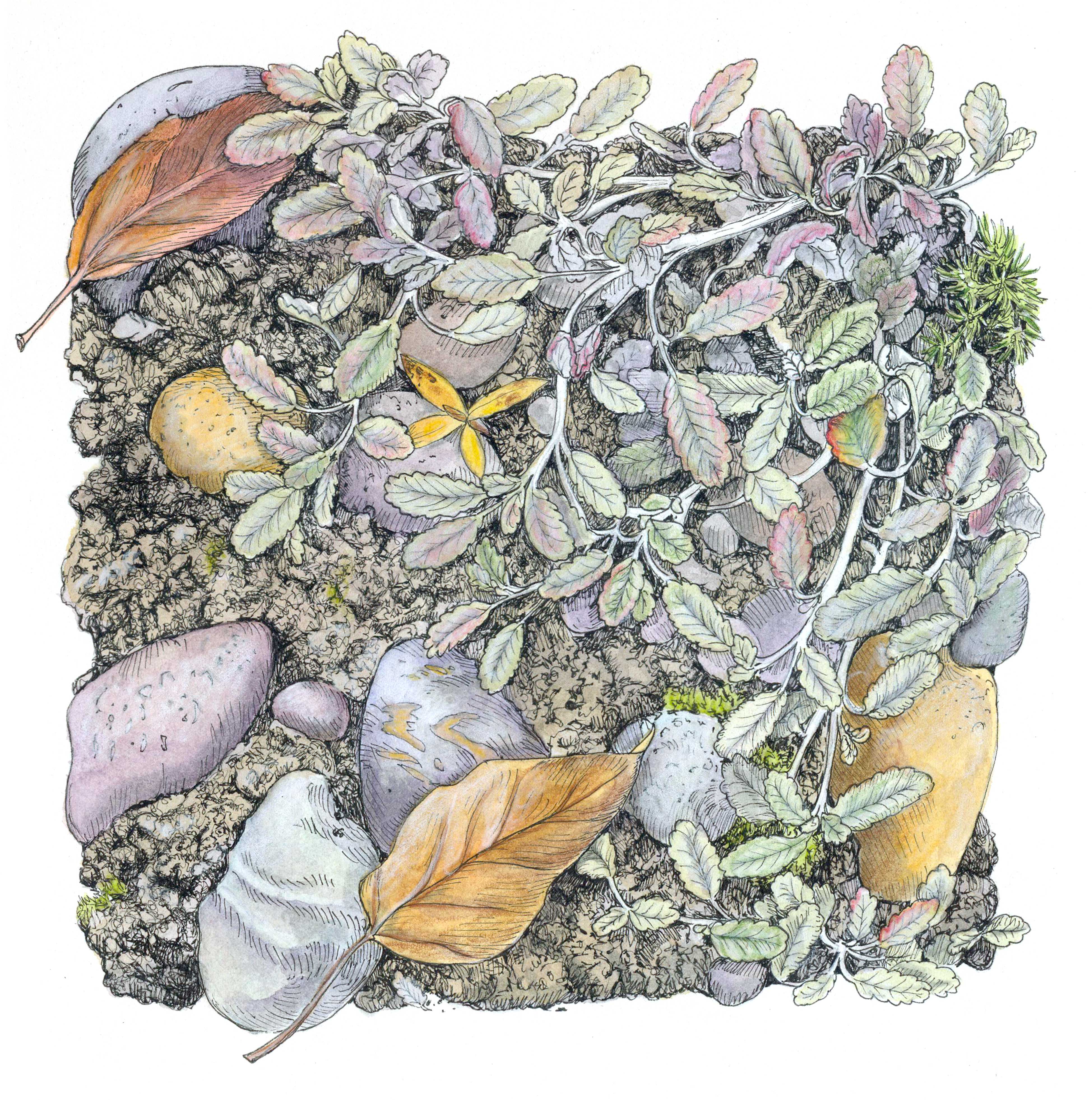
Watercolor and pen illustration of plants, cryptobiotic soil, and rocks on the Nizina River where she lives
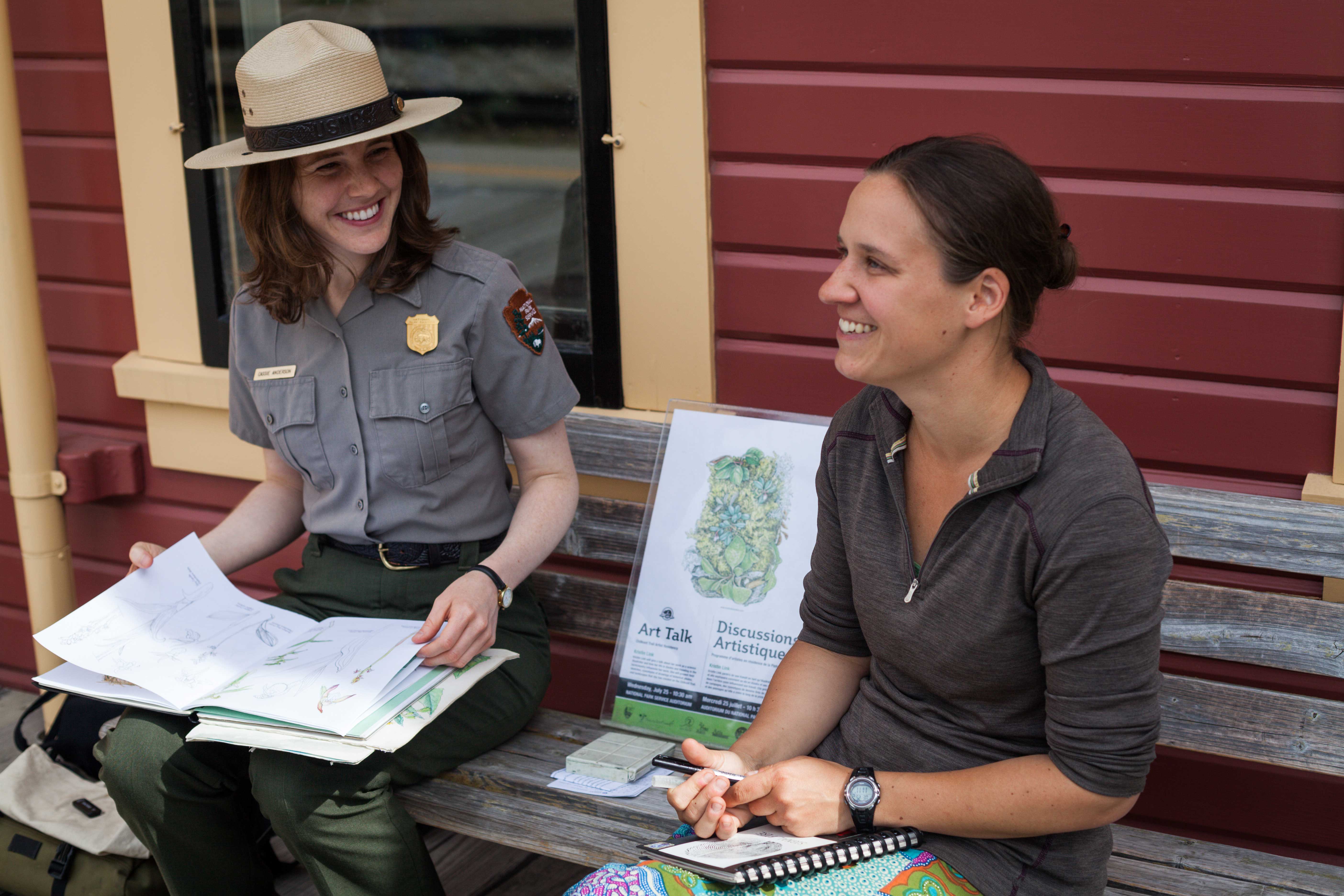
Talking about and sharing work from Kristin’s artist residency on the Chilkoot Trail in Skagway, Photo by NPS/R. Harrison.
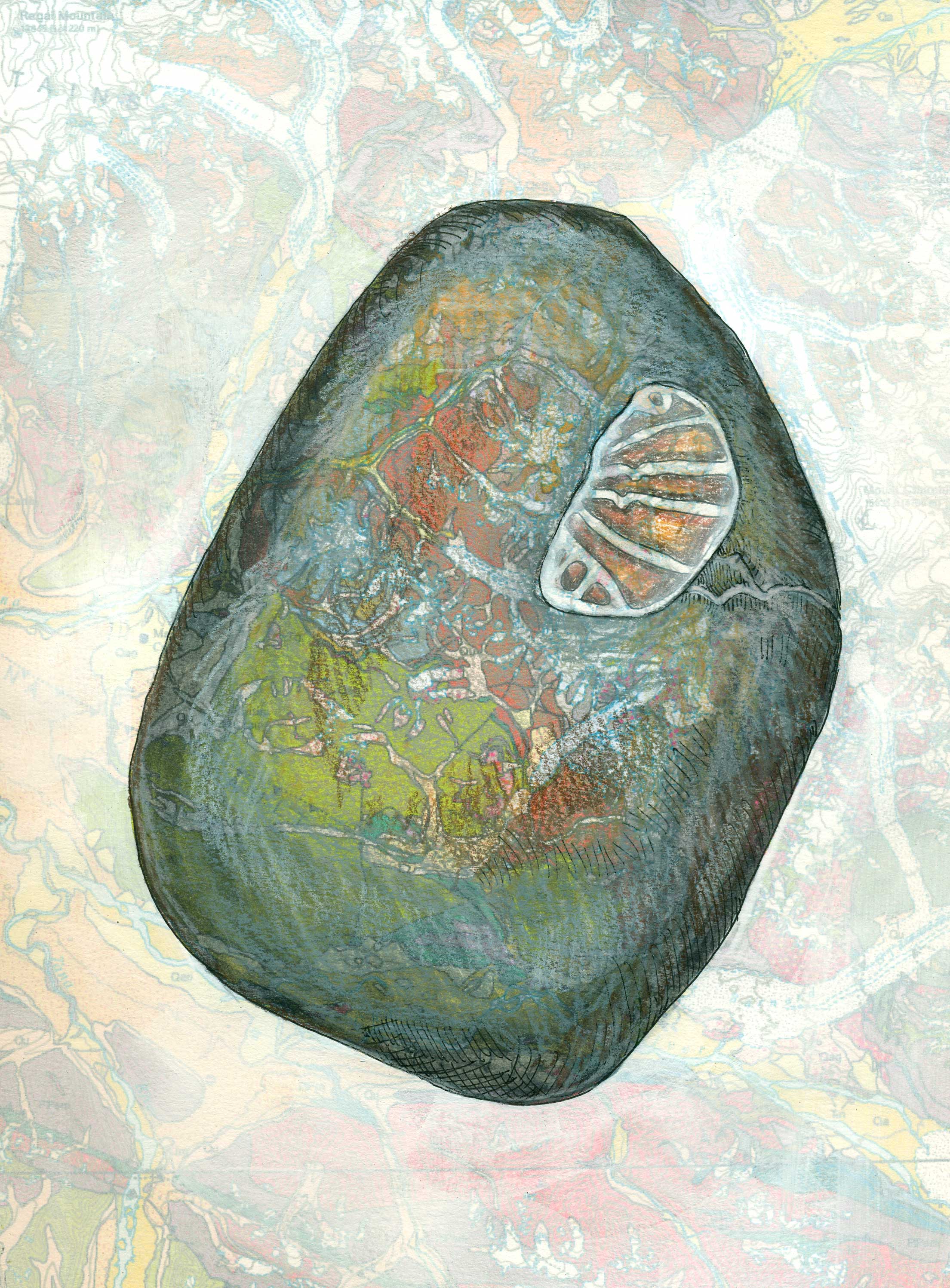
Mixed media artwork on a geologic map of the Wrangell-St. Elias where she lives.
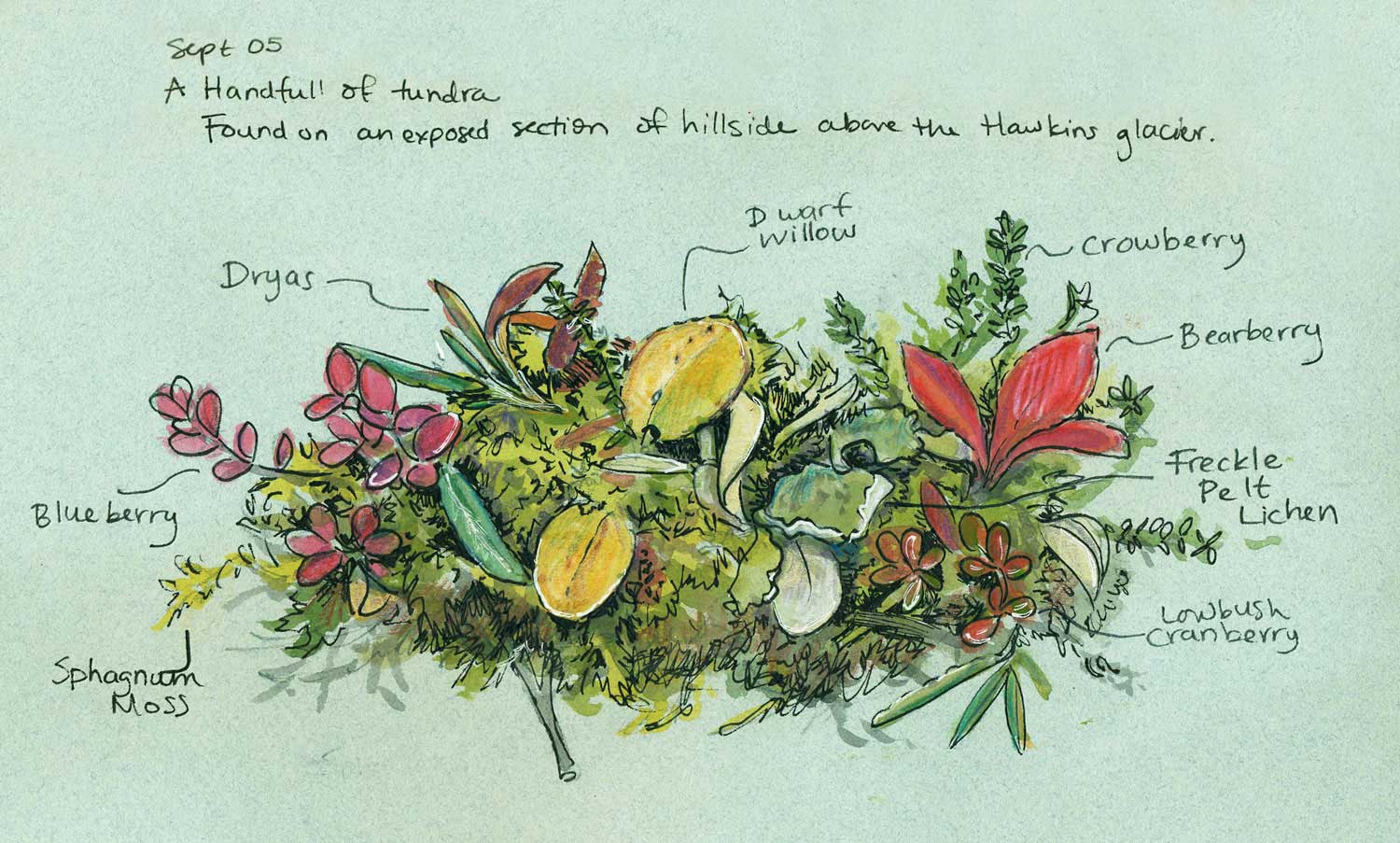
Gouache and pen sketchbook page from the Wrangell-St. Elias
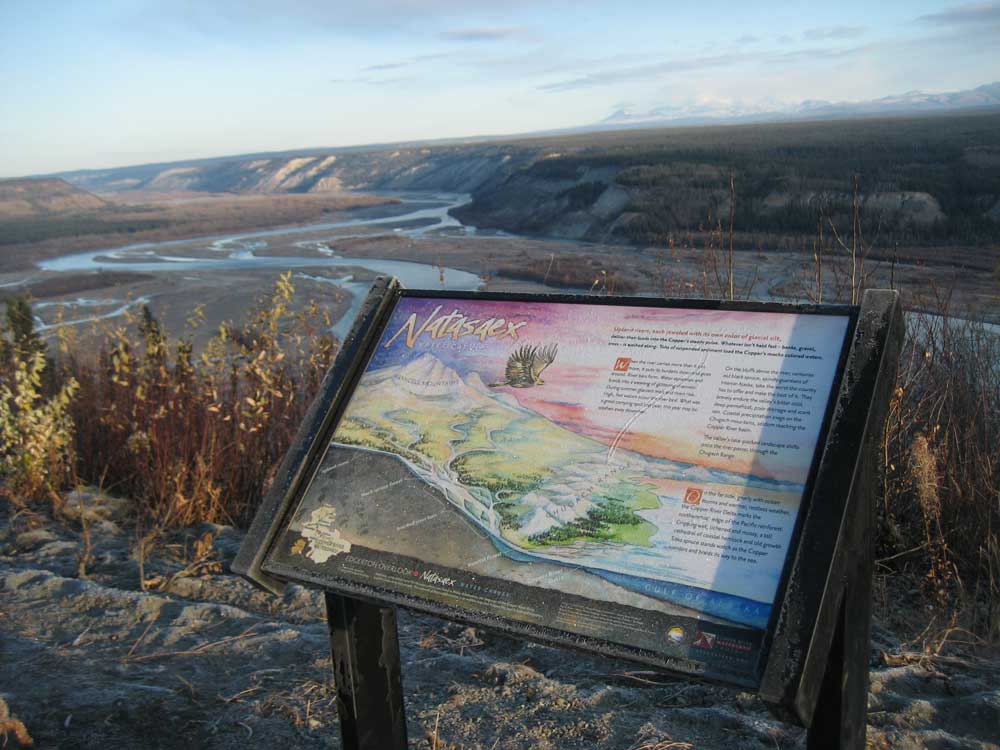
Interpretive sign Kristin illustrated for the Copper River Watershed Project. This is the project she was talking about with getting people to connect to the landscape and the bigger watershed while stepping out of their vehicle on the side of the road.
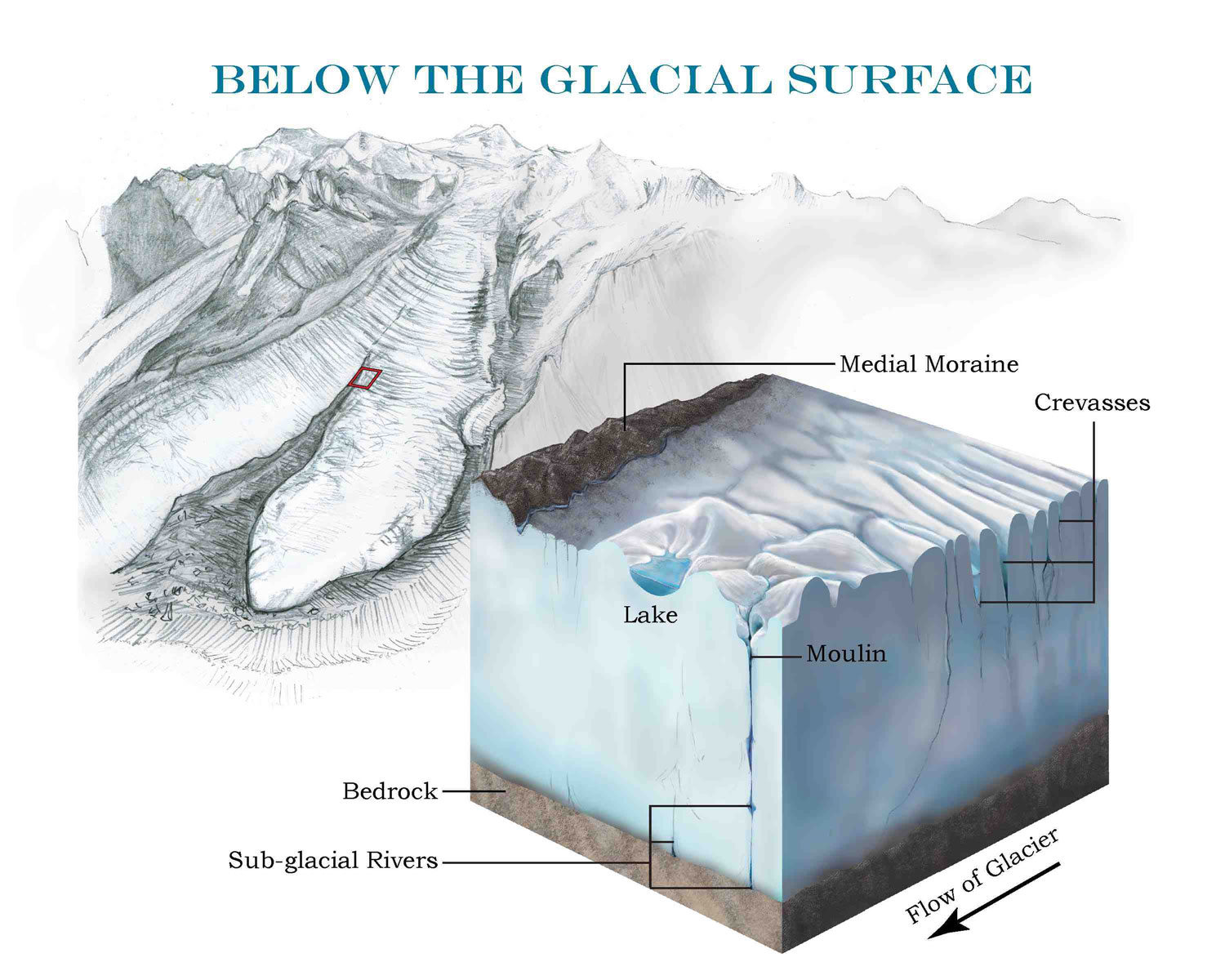
Another image exploring what is happening under the glacial surface. This one was inspired by spending a summer guiding and taking people for day hikes on the Root Glacier in the Wrangell-St. Elias. When Kristin went to school for science illustration she wanted to create an image to describe what was happening with the moulins, crevasses, and rivers that they observed on the surface of the ice.
Refuge Outdoor Festival
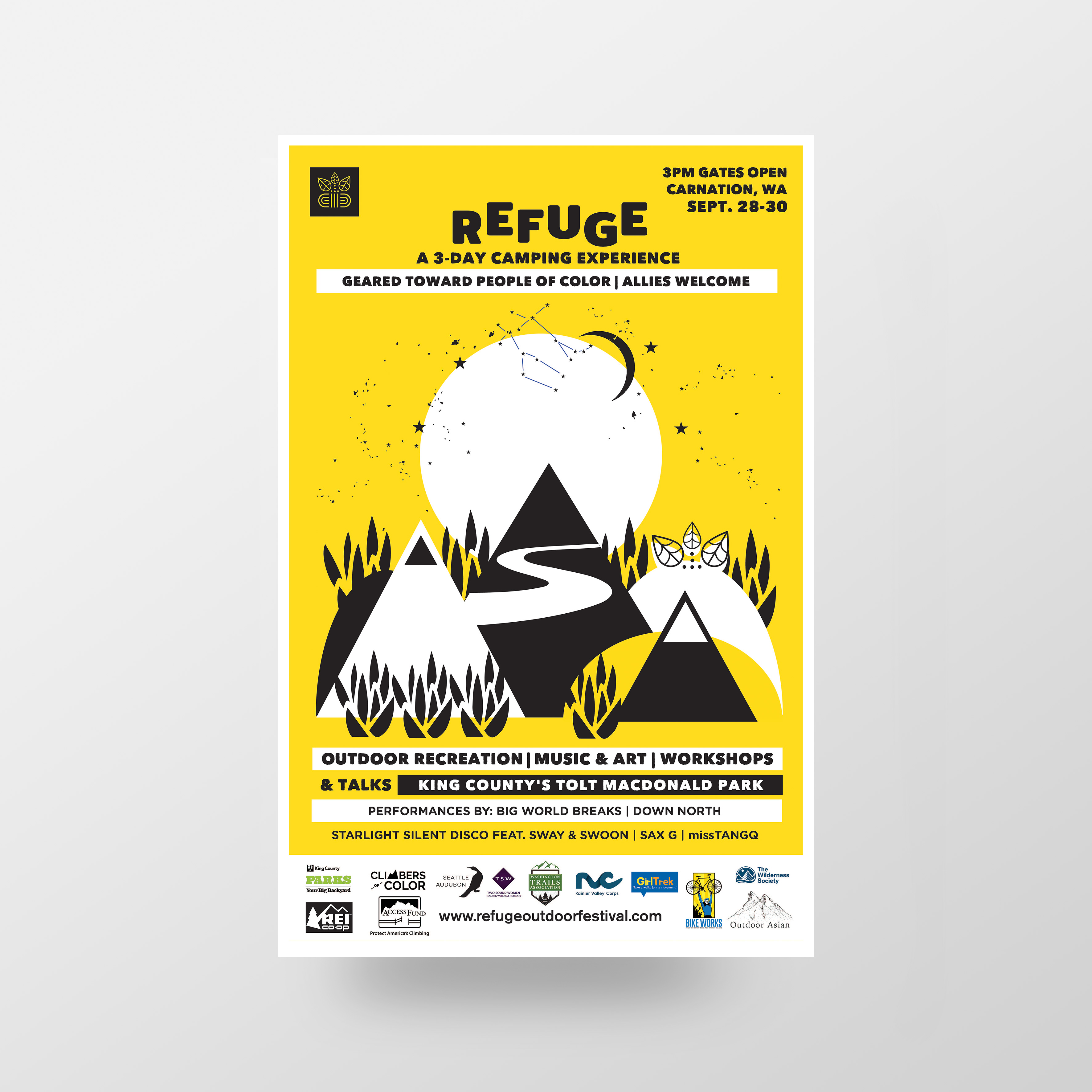
Learn more at www.refugeoutdoorfestival.com
Links/Resources Mentioned in this Episode:
Artist-in-Residencies info from Kristin
Call For Entry is a website that lists calls for visual artists. There are several residencies in national parks that post there, including Gates of the Arctic.
The Wrangell Mountains Center, the nonprofit where Kristin used to work, also has a residency application there and hosts a two-week residency in McCarthy and the Wrangell-St. Elias. Their application is also on CaFE.
Voices of the Wilderness is a collection of artist residencies on public lands and wilderness areas in Alaska. It is one application where people can apply to many opportunities. In 2017, Kristin did a residency in the Nellie Juan – College Fiord Wilderness Study Area with the Forest Service in Prince William Sound. There is no fee to apply which she appreciates.
The Chilkoot Trail Artist Residency has it’s own application hosted on the Yukon Arts Center’s website. Also no fee.
Some artist residencies are just listed on NPS websites or organizations that work with them, so it can be worth searching around. A surprising number of places have artist residencies, and it seems like there are more becoming available. Here is the Joshua Tree National Park one, which she did in 2016.
Signal Fire is an organization that hosts artist residencies for groups of artists on public lands. They take out groups of people of all experience levels and are accessible to people who have never been camping or backpacking before. Kristin did a backpacking trip with them in the Chiricahua Mountains in 2017.